

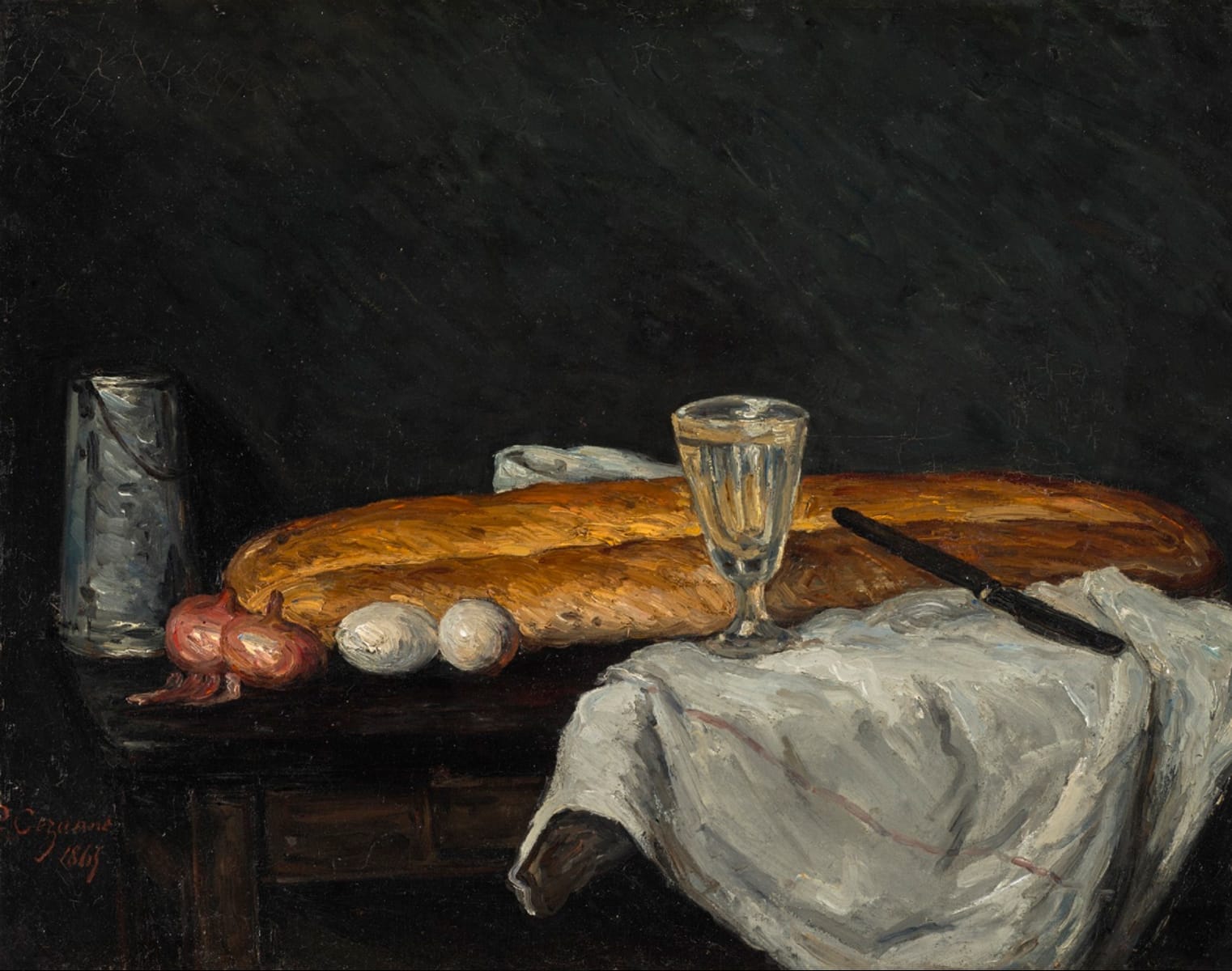
At Penn, one of my favorite classes was Modern Art from Picasso to Pollock. It was taught in the Spring. The crabapples bloomed, and opened up an artery of pink across campus. We lived with an intensity that marked the tail end of a particular shape of life. Modern Art was a tight class held in the back of a small, mottled beige lecture hall in the Jaffe Art building, filled with a range of characters from undergraduates to local members of the Philadelphia community.
Our professor was brilliant, articulate, and easily moved. One day she cried in class while showing us the artist Donald Judd’s Works of Concrete — an exhibition set across 340 acres of pale sky and parched desert earth. The boxes lay flat on the fields of Marfa, solemn against the long, amber, West Texas light.
I remember being bewildered by her tears. Years passed before I understood the root of that expression. Learning to love art, or more broadly learning to love anything at all, requires defenselessness and openness to beauty. A willingness to tolerate strangeness long enough to be changed by it.
Often, the very things we initially find unassuming or odd are what alter us irreversibly. A particular brightness enters your life. It leaves the entire world tinged with evidence of it being there, like a droplet of iodine in the eye, suffusing everything blue.
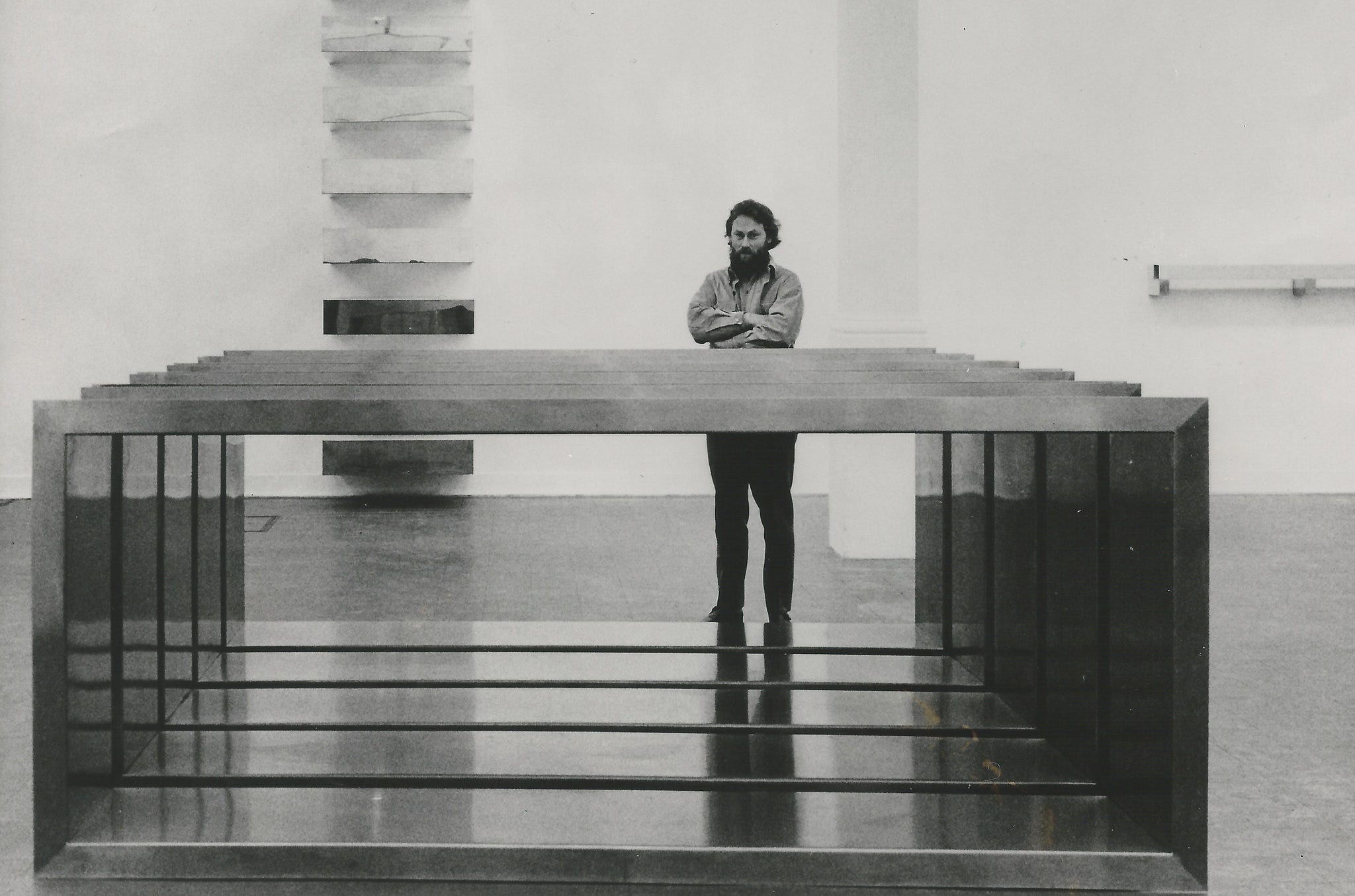
What does it take to be transformed? In a series of letters to his wife Clara, the poet Rainer Maria Rilke described visiting French Impressionist painter Paul Cézanne’s work at Salon d’Automne in 1907. At the time, Cézanne was an unknown talent largely rejected by French art establishment, mocked for paintings that appeared crude and primitive. Another artist described his practice of observing objects “like a dog,” “without any nervousness, without any ulterior motive.”
Rilke was deeply puzzled by Cézanne’s techniques. He returned to the Cézanne rooms that October ten times, often for hours. Eventually, something inside of him shifted. He came to deeply admire Cézanne’s stylistic choices of color and form: rigorous, truthful, without emotion or sentiment. The poet later characterized this change in a single line:
“For a long time nothing, and suddenly one has the right eyes.”
Zadie Smith wrote of a similar transformation hearing the singer Joni Mitchell’s California for the first time on a roadtrip. The first time she heard it, Smith derisively categorized Mitchell’s vocals asa “piercing” and “wailing” sound. She hated Mitchell’s voice. It was only at a pitstop later in the journey, a moment of awe beneath the roofless arches at the east window of a holy Abbey, where she found herself inadvertently humming the song she’d earlier dismissed.
In that moment, she shared, “it undid me completely,”
With Joni, it was all so easy. In a sense, it took no time. Instantaneous. Involving no progressive change but, instead, a leap of faith. A sudden, unexpected attunement. Or a retuning from nothing, or from a negative, into something soaring and positive and sublime.
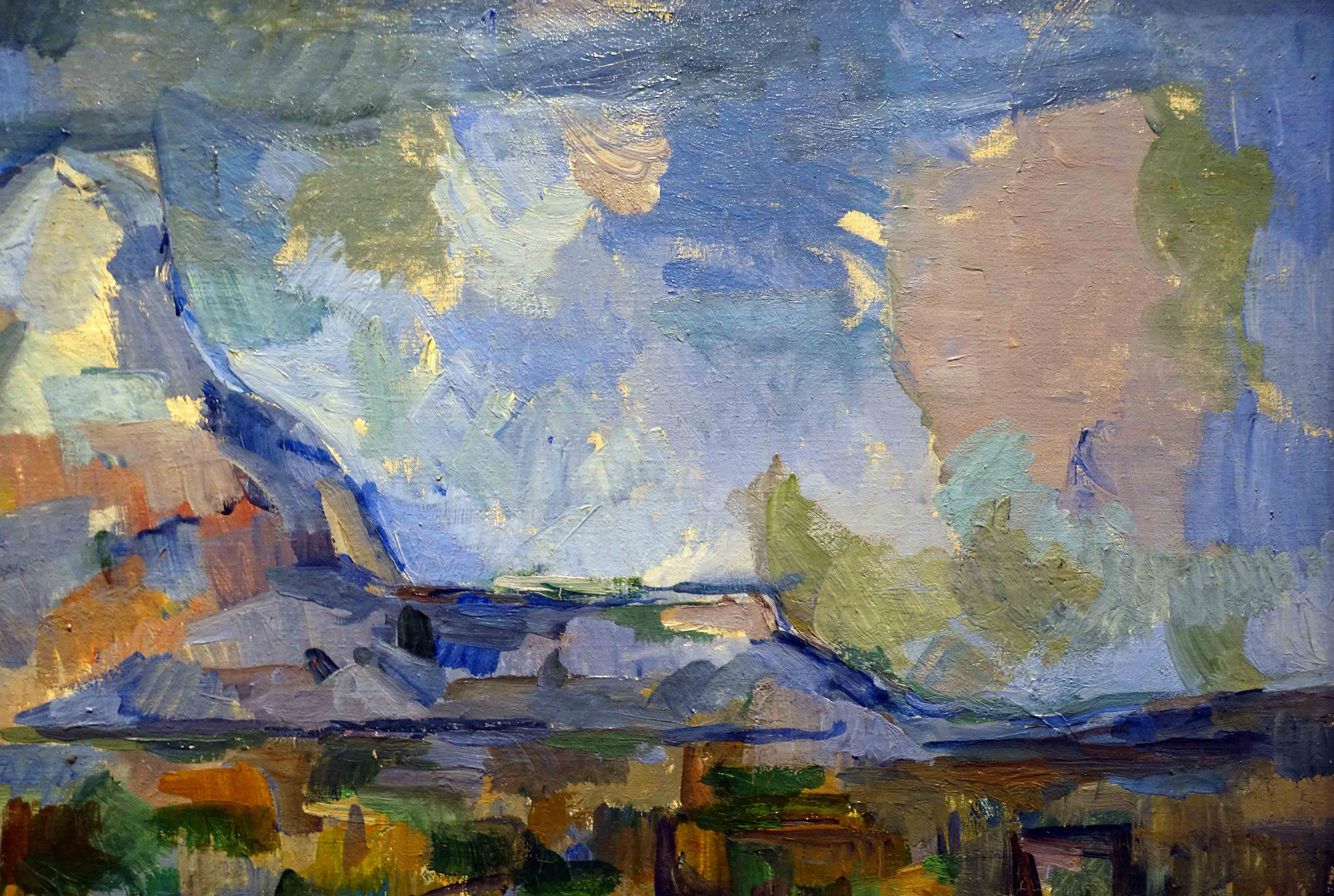
How do we practice, what Smith and Rilke felt, this attunement?
I think it requires being patient. Looking again. Outward at the new world forming, at all that is unfamiliar and jarring, with curiosity. But also inward, recognizing how every encounter with reality is unfinished, never final.
Turns out the crux of an adult life is telling yourself over and over again a compelling, definitive story of what something is. What you want it to be. How it is meant to be. We put everything into small, rigid boxes. This armor can be a good defense against the unknown.
Earlier this year, I found myself steeled against open-heartedness, as if bracing for an inevitable fall.
But I asked myself recently: to what end? My instinct is to resist anything that interferes with a safe, warm certainty. But therein lies the paradox. Transformation requires genuine risk, allowing yourself to be warped and fundamentally changed by what you love. You look out into the same world with different eyes.
Thank you for reading. If you are so inclined, please like and subscribe (it helps this newsletter greatly!)
You might enjoy some other recent pieces of mine:


Nix, there are no words to express how much your essays impact me. I look back on them at specific moments of my life and find a new way to be changed. Thank you, thank you. You have a way of seeing beauty that transforms the world.
So well said as always. Thank you 🙏